Latest Fishing Reports 12/11/26
Welcome to the ultimate hub for Australian fishing reports and expert tips. Whether you're chasing that trophy catch or just looking for a peaceful day on the water, we've got the insights to make your next trip a success. Discover where the fish are biting and how to reel them in.
🎣 BORN2FISH WEEKLY FISHING REPORT
18th November 2026
G'day legends! Let's get stuck into this week's fishing reports!
There's some great news across the bays, with both the snapper and whiting bites improving dramatically. Squid are also firing in several locations, making for some excellent fishing opportunities heading into the warmer months.
Let's break it down!
🔴 PORT PHILLIP BAY – NORTH
Black Rock
Black Rock has seen snapper starting to come on the bite, particularly from dusk until dark. Fish are being caught not far from the boat ramp in 5–7m of water, with sizes ranging from 2kg to 4kg.
Altona
The snapper bite has been a little slower around Altona, with mainly school-sized fish being landed around the Altona Reef. Late afternoon on the incoming tide has been the better option, with silver whiting producing fish in the 2–4kg range.
🔴 PORT PHILLIP BAY – EAST
Carrum & Mornington
These two locations have been standouts for snapper this week, with Carrum and Mornington producing some quality fish.
Anglers are reporting a good range of snapper from 2kg right through to 7kg in depths of 12–20m.
Silver whiting and pilchards have been the preferred baits, with the transit lane worth concentrating your efforts around.
🔴 PORT PHILLIP BAY – WEST
Werribee
Snapper have been on the chew not far from Wyndham Harbour in around 12m of water, with squid producing fish during the morning sessions.
Whiting have also been firing out off Point Wilson around Wilson Spit during the afternoons, with squid proving a successful bait.
Squid fishing has been productive off Wyndham Harbour near the Yellow Stick, with Born2Fish customers reporting some quality captures.
Avalon
Avalon has been producing all three popular species this week!
- Snapper: Fishing well off the 9 Foot Bank during the afternoons.
- Squid: Producing on the broken ground towards Point Wilson.
- Whiting: Good numbers being caught right across the Avalon area.
Clifton Springs
Clifton Springs has really started firing, with all three species coming on the chew.
- Snapper: Producing off the main channel during the afternoons, with squid working well as bait.
- Whiting: Good numbers being caught off Cerlwis Bank during the afternoons.
- Squid: Excellent numbers right across Clifton Springs, from Point Richards through to Cerlwis Bank. The same grounds producing whiting are also holding plenty of squid.
St Leonards
Great reports of both whiting and squid right across the broken grounds, from the boat ramp through towards Queenscliff. Both morning and afternoon sessions are producing fish.
Queenscliff
Good numbers of whiting and squid are being reported from the lighthouse through to Swan Bay.
🎣 CUSTOMER FISHING REPORT – SOUTH COAST RIGS
This week we've got a cracking contribution from South Coast Rigs. Make sure you check them out on Instagram!
Fishing Report – 14/11/2026
An easy double bag of squid at Clifton Springs in just 2–3m of water, with our bag limit achieved in a single drift!
With fresh bait on board, we headed into the shallow reefs around Point Wilson in approximately 5m of water.
There were some decent school snapper moving through in patches, and we managed to pick up a few nice fish along with a bonus gummy shark.
The fish weren't staying switched on for long, and we soon discovered why. A bronze whaler was hanging around the reef, causing the fish to shut down before firing up again once we'd hooked the shark and moved it on.
Cheers for sharing the report, legends! Always great to see what other anglers are getting amongst.
🔴 WESTERN PORT
Western Port has also been producing some quality fish, with several locations worth putting on your radar.
- North Arm: Good snapper reports around an area known as The Runway.
- Top End: Gummy sharks and snapper producing near Boultons Channel.
- The Corals: Good snapper being caught after dark.
- Corinella: Snapper producing during the daytime sessions.
🎣 LANDBASED FISHING REPORT
For those hitting the land-based spots, there are some good opportunities around the bays this week.
- Williamstown: Pinkies producing around the power station.
- Port Melbourne Lagoon Pier: Snapper being caught after dark.
- Wyndham Harbour Wall: Pinkies producing during the morning sessions.
- Portarlington Wall: Worth a crack for snapper after dark.
- St Leonards Pier: Squid and whiting producing, particularly with southerly winds.
🎯 THAT'S A WRAP FOR THIS WEEK!
It's great to see the snapper starting to fire up across both bays, with whiting and squid keeping anglers busy as well.
Whether you're heading out in the boat or fishing from the land, there's plenty of opportunities to get amongst some quality fish.
Remember to keep an eye on the weather, check your local regulations and bag limits, and always put safety first.
Get out there, enjoy the fishing and hopefully put a few good ones in the esky!
🎣 G'day legends – tight lines from the Born2Fish crew!
🌐 www.born2fish.com.au
📸 Follow us on Instagram: @born2fish_official
🎥 Subscribe on YouTube: Born2Fish TV
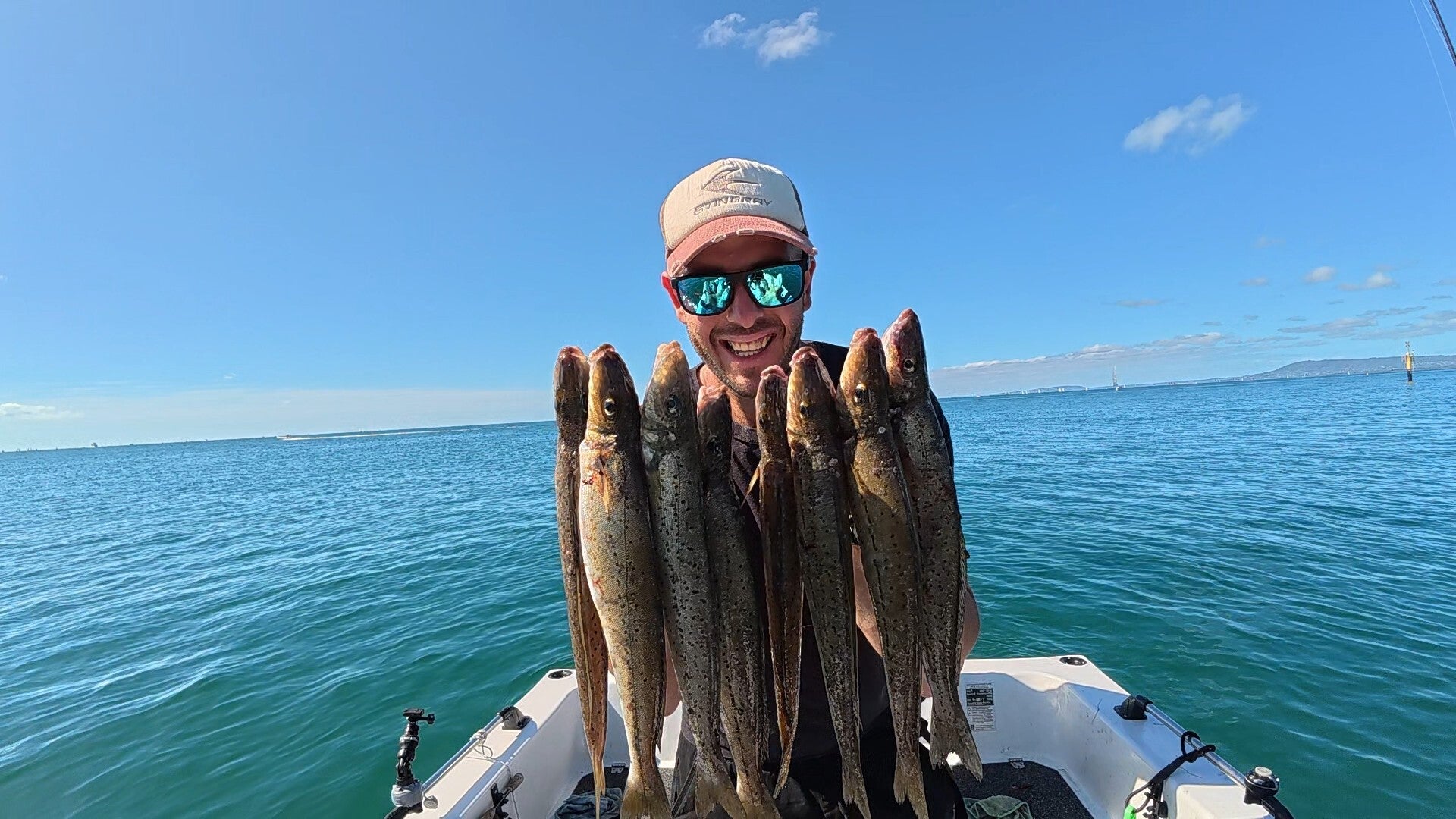
At Born2fish, we pride ourselves on delivering the most current and accurate fishing reports straight from the source. Our reports come directly from our dedicated team, close friends, and fellow passionate anglers within our customer community. This means you get firsthand knowledge on what's biting, where, and when across Melbourne and wider Australia.
Fresh fishing reports, direct from the water from the crew
🎣 B2F CREW FISHING REPORT – CLIFTON SPRINGS SQUID 🦑
G’day legends!
The Born2Fish crew hit the water around Clifton Springs through to the Cerberus Banks and managed to find some great squid despite the dirty water conditions!
With the water still stirred up, choosing the right jig colours was key to getting the bites. The standout performers for us were the new B2F Pink Pearl, Ghost Prawn and Neon Assassin, all proving productive in the murky water.
We worked depths between 2–5 metres, with the most productive fishing coming around the morning tide change.
Another great session showing that even when the water isn't looking its best, having confidence in your jig colours and working the right depths can make all the difference!
🔥 Standout B2F jig colours:
🦑 Pink Pearl – our new colour getting the job done!
🦑 Ghost Prawn
🦑 Neon Assassin
Want to get your hands on the colours producing for the crew? Head over to "born2fish.com.au" (https://born2fish.com.au) and check out the full range of B2F Custom Squid Jigs, proudly made and owned right here in Australia. 🇦🇺
Stay tuned for more crew reports, fishing tips and updates from around the bays.
Tight lines, legends! 🎣
#Born2Fish #B2FCustomJigs #CliftonSprings #CerberusBanks #SquidFishing #PortPhillipBay #Calamari #AustralianMade #PinkPearl #GhostPrawn #NeonAssassin
TIPS AND TECHNIQUES
Choosing the right squid jig and proven techniques
🎣 BORN2FISH SQUID JIG GUIDE
What Squid Jig Should You Use & When?
Walking into a tackle shop and looking at a wall full of squid jigs can be pretty overwhelming.
Pink, orange, green, brown, white, red, purple, UV, glow, natural… so which one should you actually tie on?
The truth is there isn't one magic colour that catches squid every day.
The key is matching your jig to the amount of light, water clarity, depth and the mood of the squid.
Here’s our Born2Fish guide to help you make the right choice before your next calamari session. 🎣🦑
🌅 FIRST LIGHT – SUNRISE
GO NATURAL OR DARK CONTRAST
At first light, there isn't much sunlight penetrating the water, so we like to start with something that gives the squid a good silhouette.
Our picks:
-
🤎 Brown / natural
-
🟤 Olive
-
❤️ Red
-
🖤 Dark colours
-
🟡 Gold foil
-
🌸 Pink
If the water is clean and the squid are feeding confidently, a natural-looking jig can be deadly.
If the water has a bit of colour or the light is very low, switch towards a darker or higher-contrast pattern.
B2F TIP:
Don't be afraid to start darker at first light. As the sun comes up, change your colour with the conditions.
☀️ MID-MORNING – BRIGHT SUN
GO NATURAL, SILVER & FLASH
Once the sun is up and visibility improves, this is when natural baitfish-style colours really come into their own.
Our picks:
-
🐟 Pilchard / baitfish patterns
-
🦐 Natural prawn
-
🤎 Brown
-
🟢 Olive / green
-
⚪ White
-
🩶 Silver
-
🌸 Soft pink
In clear water, squid can get a really good look at your jig, so a more natural presentation can make a big difference.
This is also the time we love experimenting with our more natural B2F Custom Jigs.
☁️ OVERCAST DAYS
PINK • ORANGE • UV • CONTRAST
Cloud cover reduces the amount of direct light entering the water, so this is where we start moving away from extremely subtle colours.
Our picks:
-
💗 Pink
-
🧡 Orange
-
🟣 Purple
-
💚 Green
-
✨ UV
-
⚪ White
UV finishes can be particularly useful when there is still plenty of ambient daylight but the conditions are dull or overcast.
If you're fishing a weed bed and the water has a slight green tinge, a brighter colour can also help the squid locate the jig.
🌤️ AFTERNOON
WATCH THE WATER – DON'T JUST WATCH THE CLOCK
As the afternoon progresses, the best colour can change with the weather.
If it's still bright and the water is clear:
Natural • Silver • Brown • Olive
If clouds roll in or the water becomes dirty:
Pink • Orange • Green • UV
This is where carrying a few different colours pays off.
🌅 LAST LIGHT – SUNSET
THIS IS WHEN WE START BRINGING OUT THE BIG GUNS
As the sun disappears, visibility drops quickly.
This is one of our favourite times to experiment with:
❤️ Red
🟣 Purple
💗 Pink
🧡 Orange
🟢 Glow / UV
🖤 Dark contrast
A glow belly or glow body can become extremely useful as the available light disappears.
B2F TIP:
Don't wait until it's completely dark before changing your jig. Start changing as the light begins to fade.
🌙 NIGHT FISHING
GLOW • DARK CONTRAST • UV
Fishing squid after dark is a completely different game.
Around piers, lights and shallow weed, we want a jig the squid can easily locate.
Our night rotation:
🟢 Glow
⚪ White / glow
🖤 Black / dark silhouette
💗 Pink / glow
🧡 Orange / glow
❤️ Red / dark contrast
Glow is particularly useful when visibility is poor, while a dark back can create a strong silhouette against available light.
🌊 WATER CLARITY COLOUR CHART
ConditionsB2F Colour Choice☀️ Bright + clear Natural / Brown / Olive / Silver🌤️ Bright + slightly green Green / Pink / Natural☁️ Overcast Pink / Orange / UV🌊 Slightly dirty Orange / Green / Pink / UV🌧️ Dirty water Orange / Red / Dark contrast / Glow🌅 Dawn Brown / Red / Gold / Natural🌇 Dusk Red / Pink / Purple / Glow🌙 Night Glow / Black / Dark contrast💡 Pier lights Dark back / Glow / Pink / Orange🌊 Deep water UV / Glow / High contrast
🦑 THE B2F 3-COLOUR SYSTEM
If you don't want to carry 20 different colours, keep it simple.
1️⃣ NATURAL
For:
Bright sun + clear water
Think:
🤎 Brown
🟢 Olive
🐟 Baitfish
🦐 Prawn
⚪ Silver
2️⃣ BRIGHT
For:
Cloud, green water & changing conditions
Think:
💗 Pink
🧡 Orange
💚 Green
🟣 Purple
✨ UV
3️⃣ DARK / GLOW
For:
Dawn, dusk, night & dirty water
Think:
🖤 Black
❤️ Red
🟣 Dark purple
🟢 Glow
⚪ Glow/white
That's three basic colour groups that will cover a huge range of squid fishing conditions.
🎣 BUT HERE'S THE BIG B2F TIP…
DON'T BLAME THE COLOUR STRAIGHT AWAY.
If you're seeing squid following the jig but they're not committing, don't immediately assume you've got the wrong colour.
Try changing:
1. Sink time
2. Retrieve speed
3. Jig size
4. Depth you're fishing
5. THEN colour
A squid jig is only effective if it's actually spending enough time in the strike zone.
In Port Phillip Bay, sizes around 2.5–3.5 can cover a lot of situations, with 3.0 being a great all-round starting point. Smaller jigs suit shallow, calm conditions while larger jigs become useful when depth, wind or current increases.
🦑 BORN2FISH COLOUR RULE
LIGHT = NATURAL
CLOUD = BRIGHT
LOW LIGHT = DARK / GLOW
DIRTY WATER = CONTRAST
CLEAR WATER = NATURAL
And remember…
There is no "best" squid jig colour.
The best colour is the one that gives the squid something they want to eat in the conditions you're fishing right now.
So don't be afraid to change colours.
Sometimes the smallest change can turn a quiet session into a squid fest. 🦑🔥
🎣 Fish smart. Change with the conditions. Find the squid.
- BORN2FISH

SNAPPER TECHNIQUES
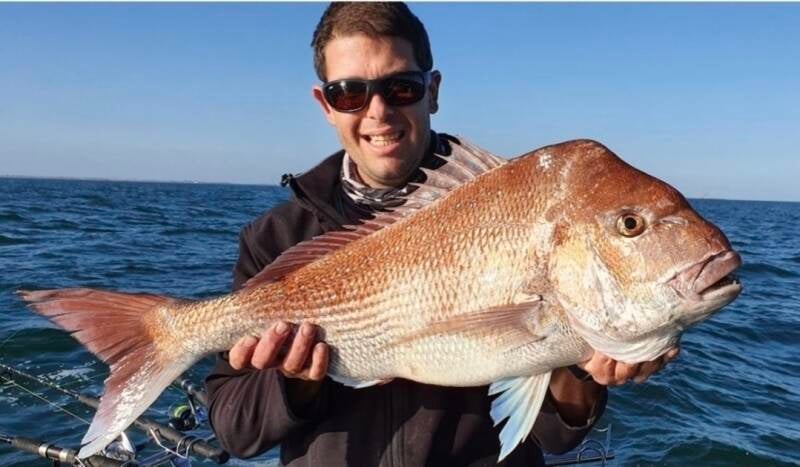
BORN2FISH: 10 ESSENTIAL SNAPPER FISHING TIPS AND TECHNIQUES
Get ready for spring and summer snapper season!
G’day legends!
As we head into spring and summer, snapper will be the main focus for many anglers across Victoria and right around Australia. Whether you're fishing Port Phillip Bay, Western Port or your local snapper grounds elsewhere in the country, understanding a few key factors can make a huge difference to your success on the water.
At Born2Fish, we're all about sharing practical tips, techniques and knowledge to help you spend less time guessing and more time catching fish.
Let's break down 10 essential snapper fishing tips to help you get amongst the reds this season!
TIP NO. 1 — WATER TEMPERATURE
Water temperature plays a major role in snapper behaviour, influencing their feeding activity, movement and breeding cycles.
As the water warms, snapper activity can increase, and they may feed more frequently when conditions are favourable. However, temperature is only one piece of the puzzle, with tides, weather, food availability and water clarity all playing important roles.
A useful temperature range to watch is around 16.5°C to 18°C. These temperatures can coincide with excellent snapper fishing opportunities in Victorian waters, although snapper can be caught outside this range.
B2F tip: Keep an eye on water temperatures throughout spring. Even small changes can help you understand where snapper might be moving and when they're likely to become more active.
TIP NO. 2 — BAROMETRIC PRESSURE
Also known as the barometer, atmospheric pressure can influence fishing conditions and snapper behaviour.
Snapper have a swim bladder, which helps them control their buoyancy. Changes in pressure can affect the gas volume within the swim bladder, potentially influencing how comfortable fish feel at different depths.
A rising or high barometer is often associated with settled weather, while falling pressure can signal an approaching weather system. These changes can coincide with changes in feeding activity, but there isn't a simple rule that high pressure always means better fishing or low pressure means worse fishing.
B2F tip: Don't look at the barometer in isolation. Combine pressure trends with water temperature, wind direction, tide changes and recent fishing reports to build a better picture of the conditions.
TIP NO. 3 — FINDING THE RIGHT DEPTH
Snapper move through different depths depending on the time of day, available food, water conditions and the structure they're using.
Here's a starting point for targeting snapper in Victorian bays:
-
Early morning — before sunrise to around 8 am: Try shallower water between 3–6 metres, particularly around reefs, broken ground and areas where baitfish are present.
-
Middle of the day: Explore deeper water around 15 metres or more, especially when snapper are holding over productive bottom or feeding around schools of bait.
-
Sunset and into the night: Try depths of around 3–8 metres, particularly near shallow reefs and areas where snapper can ambush prey.
Snapper are opportunistic feeders and will often move into shallower water to feed when conditions are right. Don't automatically rule out shallow ground during daylight or deeper water after dark.
B2F tip: Use your sounder to look for bait, fish activity and productive bottom. These signs are often more valuable than fishing a particular depth simply because of the time of day.
TIP NO. 4 — THE BEST TIMES TO FISH
Sunrise and sunset are two of the most productive periods to target snapper.
Lower light levels can encourage snapper to move into shallower water to feed, particularly around reefs, broken ground and areas holding baitfish.
Night fishing can also produce excellent results, especially during the warmer months when snapper move onto feeding grounds.
That doesn't mean the middle of the day is a write-off. Snapper can still feed well during daylight, particularly when other conditions line up.
B2F tip: If you can plan your session around first light or sunset, you're giving yourself a great starting point. Add a productive tide change and good bait activity, and you could be in for a quality session.
TIP NO. 5 — TIDE CHANGES AND WATER MOVEMENT
Tides play a major role in snapper fishing because moving water can carry food, stir up the bottom and help predatory fish locate their prey.
The periods leading up to a tide change and the hours following it are worth paying close attention to. As a general starting point, try fishing within approximately three hours either side of high or low tide.
However, the strongest bite can occur at different stages depending on the location, current strength, depth and available food.
Some areas fish best on the run-in tide, while others produce better results on the run-out.
B2F tip: Keep a record of which tide stages produce bites at your favourite marks. Over time, you'll start recognising patterns that can help you plan more productive sessions.
TIP NO. 6 — CHOOSING THE RIGHT BAIT
When it comes to snapper, you don't need to overcomplicate things. Fresh, well-presented bait is hard to beat.
Some of our go-to baits include:
-
Pilchards: A proven snapper bait that releases plenty of scent into the water.
-
Silver whiting: An excellent option for targeting quality snapper.
-
Calamari: Tough, natural bait that can stay on the hook well.
-
Garfish: A great baitfish option when presented fresh.
-
Yakkas: A useful bait for targeting larger snapper.
-
Slimey mackerel: A natural baitfish option that can be particularly effective when snapper are feeding on baitfish.
Different baits can work better depending on what's naturally available in your fishing area.
B2F tip: Carry a couple of bait options when possible. If one bait isn't producing, changing your presentation or switching to another bait can make a difference.
TIP NO. 7 — BURLEY IS KEY
Burley can be a game-changer when targeting snapper, helping draw fish into your fishing area and encouraging them to feed.
You don't need an overly complicated setup. Two simple options are chopped pilchards or a quality pilchard burley log.
Chopped pilchards release scent and small pieces of food into the current, while a burley log provides a steady release over time.
The key is to create a consistent trail without feeding the fish so much that they lose interest in your hooked baits.
B2F tip: Start burleying before or as you begin fishing, and keep it consistent. Adjust the amount according to the current and how the fish respond.
TIP NO. 8 — RODS, REELS AND LINE
You don't need extremely heavy gear to enjoy snapper fishing. The right setup depends on the size of fish you're targeting, your fishing location, current strength and the type of ground you're fishing.
For Port Phillip Bay and Western Port, here's a useful starting point.
Port Phillip Bay
-
Rods: Approximately 2–4 kg or 3–6 kg, depending on your preferred style.
-
Reels: Around 4000–6000 size for many general-purpose setups.
-
Main line: Around 15–20 lb braid or equivalent line strength, depending on conditions and your setup.
Western Port
-
Rods: Approximately 3–6 kg through to 6–10 kg for heavier conditions.
-
Reels: Around 5000–8000 size for suitable heavier setups.
-
Main line: Around 30–40 lb braid when fishing strong currents, heavier sinkers or reefy ground.
These are general guidelines rather than strict rules. Western Port's strong tidal flow and structure can call for heavier gear, while lighter setups can be effective in more sheltered areas.
B2F tip: Match your rod, reel, line, leader and sinker to the conditions. Always carry enough strength to safely control the fish you're targeting and retrieve your rig without unnecessary break-offs.
TIP NO. 9 — HOOKS AND RIGGING
Hook choice can make a real difference to your hook-up rate and how securely you land a fish.
For snapper, circle hooks are an excellent option, particularly when fishing natural baits. They can help hook fish in the corner of the mouth when used correctly.
A useful starting range is 4/0 to 7/0 circle hooks, with the ideal size depending on your bait size and the fish you're targeting.
When using circle hooks, avoid striking aggressively as you would with some traditional hook styles. Instead, wind steadily until the line comes tight and allow the hook to set as pressure builds.
B2F tip: Match the hook to the bait. A hook that's too large can affect bait presentation, while one that's too small may not provide the strength or gape required for a quality snapper.
TIP NO. 10 — LOOKING AFTER YOUR CATCH
You've put in the effort, found the fish and landed a quality snapper. Now it's time to look after your catch properly.
One of the best ways to maintain fish quality is to chill your catch as quickly as possible.
An ice slurry made with ice and seawater is an excellent option when prepared and maintained correctly. It rapidly chills the fish and helps preserve its texture and eating quality.
Keep your catch in a suitable insulated esky or fish bag, maintain plenty of ice, and replenish it as needed. Avoid leaving fish exposed to direct sunlight or sitting in warm water.
Handle your catch carefully and follow all current fishing regulations, including size limits, bag limits and any applicable fishing restrictions.
B2F tip: Looking after your catch is just as important as catching it. A little extra effort on the water can make a big difference when it comes time to prepare and enjoy your fish at home.
FINAL WORD — PUTTING IT ALL TOGETHER
Snapper fishing isn't just about finding a mark and dropping a bait. It's about understanding the conditions, adapting your approach and putting the pieces together.
Keep an eye on water temperature, watch the barometer, find productive depths, fish the better light periods, pay attention to tide changes, use quality bait and burley, and make sure your gear is suited to the conditions.
Most importantly, keep learning from every session. Even a quiet day on the water can teach you something that helps you catch more fish next time.
From everyone at Born2Fish, we hope these tips help you get amongst the reds this spring and summer.
Good luck out there, legends, and remember — if in doubt, don't go out!
Stay safe, respect the water and tight lines!
BORN2FISH — REAL FISHING. REAL KNOWLEDGE. REAL RESULTS.
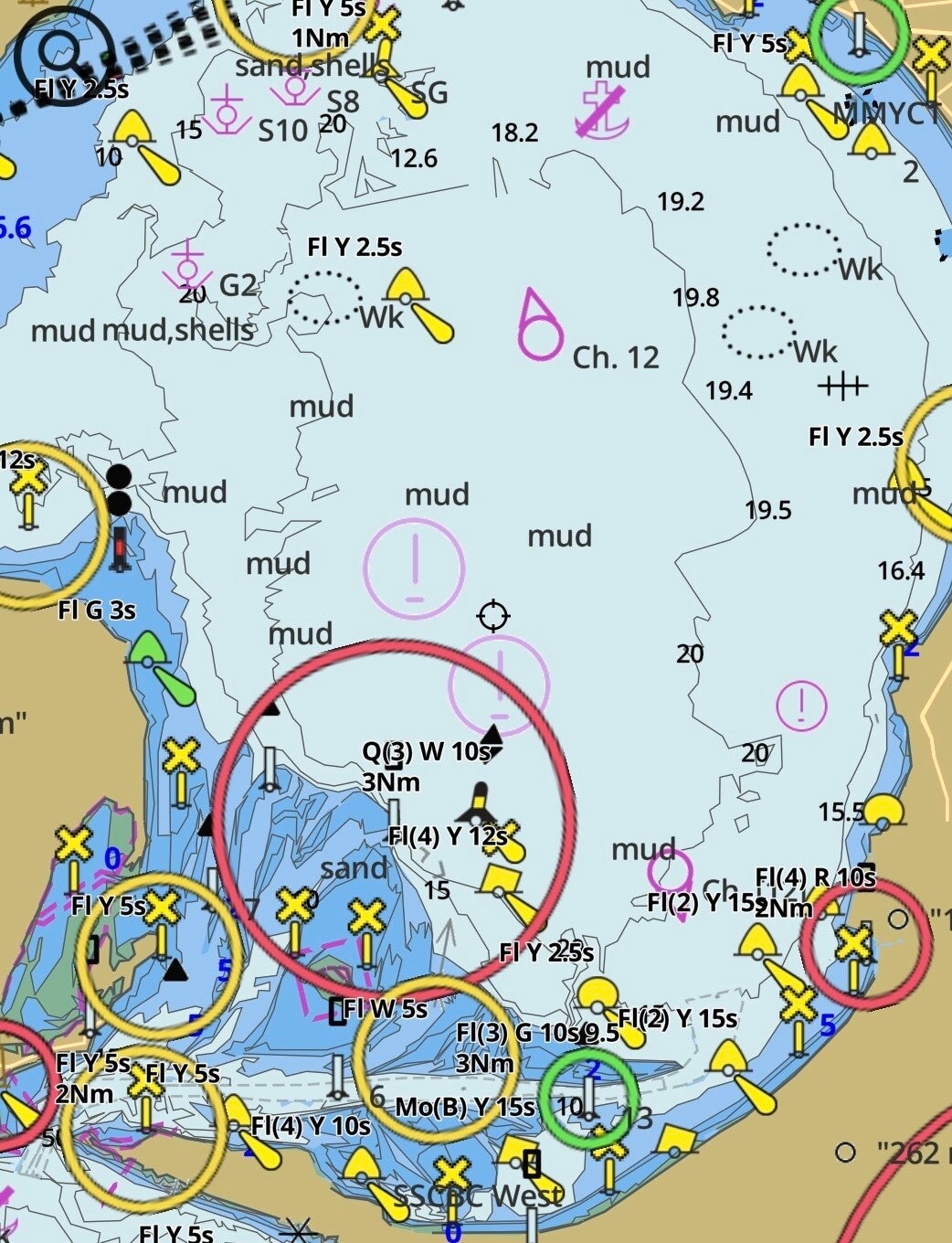
Discover prime fishing locations
Wondering where the best spots are to cast your line? Our fishing reports not only tell you what's being caught but also where. We share insights into popular and lesser-known fishing locations around Melbourne and beyond, helping you find your next favourite fishing destination. Get ready to explore new waters and fill your cooler!
🔥 HOT SPOT OF THE WEEK – BLACK ROCK SNAPper BITE!
This week's hot spot goes to Black Rock, Port Phillip Bay! 🎣
Snapper are starting to show up in good numbers, with the reefs and marine park markers producing some excellent opportunities for anglers.
Afternoon sessions have been the standout, with squid proving to be one of the better baits to tempt these red beauties.
If you're heading out for a snapper session this week, Black Rock is definitely worth putting on your list!
B2F Tips:
- Target the reef edges and marine park markers.
- Try fishing the afternoon bite.
- Fresh squid is a great bait option.
- Keep an eye on your sounder for schools holding around the reef structure.
The snapper are slowly waking up, legends. Could Black Rock be the place to be this week?
Tight lines and stay safe!
🎣 Born2Fish – Real Fishing Reports. Local Knowledge. Better Fishing.